
 Vacation care
  Shop
Shop  1300 737 448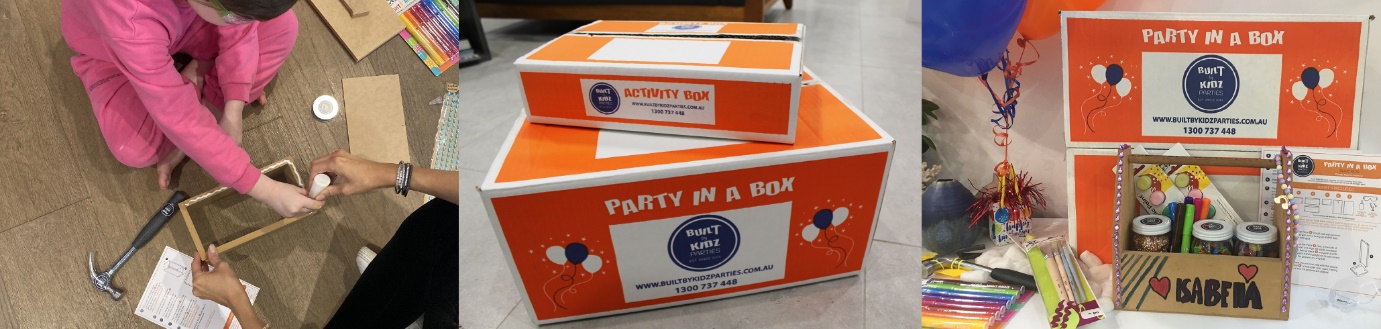
We all know how hard it can be to get kids off of iPads. Sometimes they might be doing something great and educational, like Reading Eggs, but more often than not, they’re just getting sucked into entertainment apps and time-wasting tools. Children may be watching science, but they’re not really doing science.
This is where science kits for kids can give something a little bit different. Kids get to be hands-on, trialling what happens when they change something, and learning through experience rather than only by observation. It’s these moments when things shift from knowing to understanding, which is great for kids as they build upon their STEM skills!
Read below to find out why hands-on science learning remains such an important task, how it supports development, and why science kits from Built by Kidz Activities continue to be a valuable learning tool.
Watching Science vs. Doing Science
While watching a science video on YouTube can explain a concept, it doesn’t imprint the facts into a child’s mind the same way that conducting an experiment does. When children learn only by watching, they can only absorb information passively. And when the results are already shown, they won’t absorb the outcome in quite the same way. It’s often passive and predictable, and thus only stays in the short-term memory.
This is why hands-on learning changes the game so much. When you use science kits for kids, they become active participants. By measuring, mixing, observing, and adjusting to make the experiment work, mistakes become part of the process rather than something to avoid.
The shift from passive learning to active participation is where the magic happens! Children come away with learning what happens, how it happens, and why it happens.
Hands-On Science For Strong Thinking Skills
Learning about science is about developing the ability to question, test and think critically, not merely about memorising facts (boring!). Hands-on activities naturally encourage this mindset.
When children work with physical materials, they learn to:
● Predict outcomes before starting.
● Observe changes carefully.
● Compare results.
● Reflect on what worked and what didn’t.
These thinking skills develop gradually through repeated experiences. Screen-based learning often moves too quickly to allow this level of reflection.
Physical Learning For Brain Development
Learning is not only something for inside your mind. Physical interaction plays an important role in how children understand and remember information.
Hands-on science activities involve pouring, measuring, building, assembling, handling tools, coordinating movements, and focusing. These actions support fine motor development and spatial awareness. They also strengthen the connection between physical movement and cognitive learning, which is especially important in early childhood and primary years.
Real-World Learning For Stronger Understanding
Science becomes more meaningful when children can see how it works in the world around them. Growing plants, observing chemical reactions, or building simple machines helps children see science as something real and relevant.
This connection helps children understand everyday things, recognise science in the world around them, and develop confidence in their understanding. It bridges the big gap between abstract and real life.
Reducing Screen Time Without Sacrificing Learning
Lots of families want to cut back on screen time without giving up on their kids’ education – and for good reason. Hands-on science projects are a great way to make learning happen without falling back on screens.
Rather than swapping learning for screen time by watching an educational video or playing an educational game, science kits let kids get their hands dirty while still meeting learning goals. And that’s healthy.
Science kits give kids the chance to learn away from screens, which is pretty great in itself, and they get to stay engaged and entertained, too.
Choosing Science Kits That Actually Teach
Not all science kits are created equal! It’s worth spending a bit of time thinking about what to look for when you’re choosing one that will actually help your kid learn. Some things to keep in mind include:
● Does it match your child’s age and level of understanding?
● Does it encourage your kid to explore and discover rather than just work toward a specific end result?
● Are the instructions clear, but also leave room for your kid to make their own choices?
● Are the materials safe to use and actually pretty useful?
● Does it let your kid explore things they find interesting?
Science kits should inspire curiosity and imagination. They’re not only about getting a task done.
Where Hands-On Science Fits in Today’s Learning Environment
You don’t need to pick between screens and hands-on learning. In fact, most of the best approaches include both! Screens can provide background information and spark initial interest, but hands-on kits help them apply what they’ve learned. Think about it like two-factor authentication for children’s learning. It’s sure to unlock more of it!
All the kits made by Built by Kidz encourage kids to explore, think, and engage through activity-based learning. Parents and educators interested in activity-led learning can contact us to find out more!